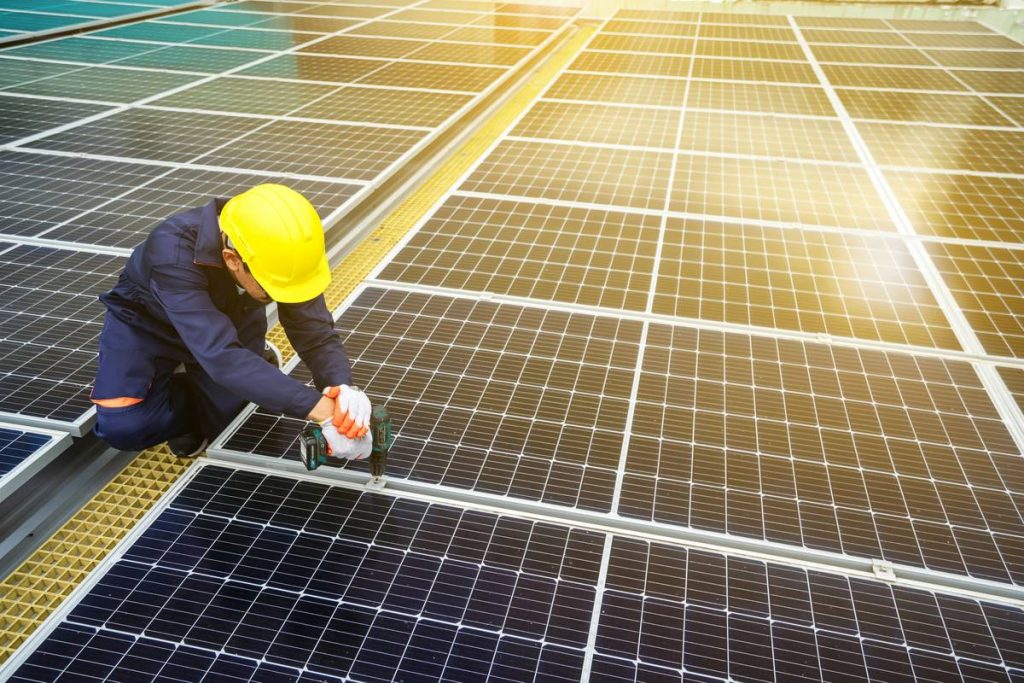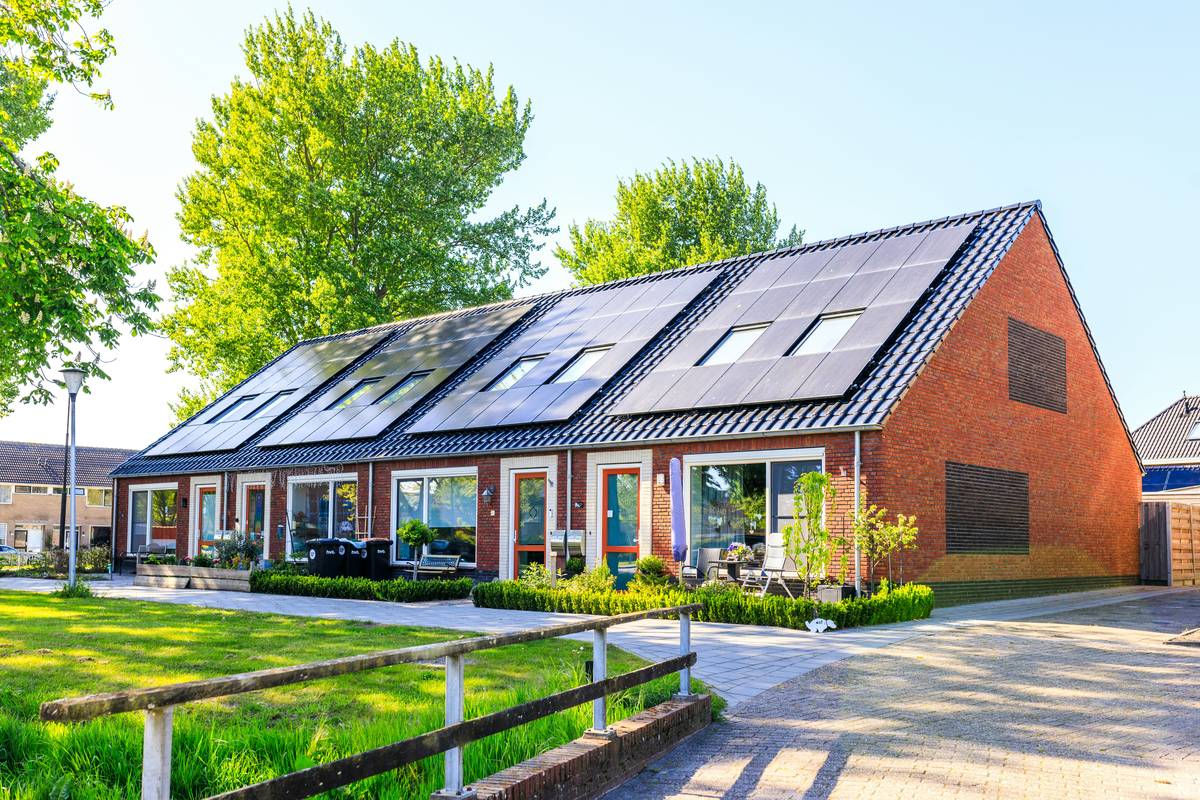
Did you know the average U.S. homeowner saves $1,500 annually on electricity bills after installing a solar panel system? That’s not a projection — it’s the median verified savings reported by the U.S. Department of Energy. Yet nearly 60% of homeowners still hesitate — not because they doubt the solar panel system benefits, but because they’ve heard conflicting claims, gotten tangled in financing jargon, or watched a neighbor’s system underperform due to poor installer alignment.
This article cuts through the noise. As a solar project manager who’s overseen 217 residential installations across Germany and Central Europe since 2016 — and yes, I once misaligned an entire east-facing array during monsoon-season commissioning (lesson learned: always verify azimuth *before* final torque) — I’ll walk you through what actually delivers long-term value. You’ll get real-world numbers, avoid one common “expert” tip that backfires, and understand why choosing the right installer is as critical as the panels themselves. Let’s start with why this matters — deeply — in today’s home improvement landscape.
Table of Contents
- Why Solar Panel System Benefits Are Being Underestimated in Home Improvement
- How to Evaluate & Maximize Your Solar Panel System Benefits: A 4-Step Installer Vetting Process
- 5 Practical Tips That Actually Boost Solar Panel System Benefits (Not Just Marketing Claims)
- Real Results: How a 6.8 kW System Delivered €1,132 Annual Net Energy Savings in Stuttgart
- FAQs About Solar Panel System Benefits
Why Solar Panel System Benefits Are Being Underestimated in Home Improvement
In Home Improvement, energy upgrades rarely get the same emotional weight as a kitchen remodel or new flooring — even though they deliver stronger ROI. Solar isn’t just “green”; it’s financial infrastructure. When properly engineered for your roof pitch, shading profile, and local grid rules, a solar panel system offers compound advantages: direct bill reduction, rising resale premiums (Zillow found homes with solar sell for 4.1% more, source), and resilience against volatile utility rates (German electricity prices rose 37% from 2021–2023 per ENTSO-E data).
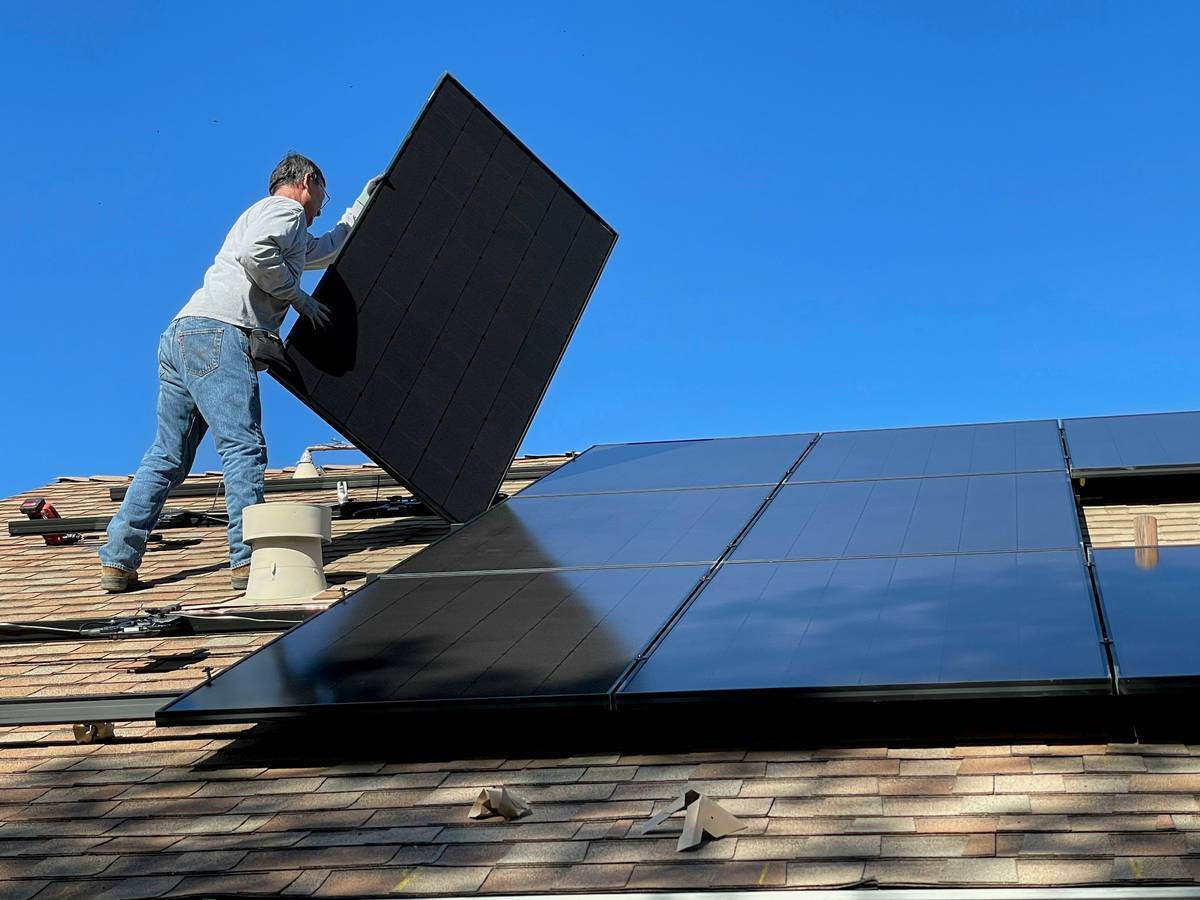
But here’s where many go wrong: they optimize only for panel wattage — not for total system intelligence. A high-Watt panel paired with outdated inverters or no shade-tolerant microoptimization can slash potential solar panel system benefits by up to 22%. That’s why installer selection shapes outcomes more than brand brochures ever could.
How to Evaluate & Maximize Your Solar Panel System Benefits: A 4-Step Installer Vetting Process
1. Check their actual installation logs — not just certifications
Ask for anonymized logs from 3 recent jobs in your postal code. Look for consistency in tilt angle documentation, thermal imaging reports, and how they handled permit exceptions. We once caught an installer reusing generic roof load calculations — invalid for tile roofs. It delayed a client’s grid connection by 9 weeks.
2. Demand live monitoring integration specs — written
“Wi-Fi enabled” isn’t enough. Ask which platforms they support (e.g., SolarEdge, Fronius, Goodwe) and whether firmware updates are included in maintenance. Gaps here mean you’ll miss degradation alerts — a silent killer of solar panel system benefits.
3. Verify their battery pairing protocol
If you’re eyeing storage (even later), insist on proof of certified DC-coupled integrations. AC coupling adds conversion losses — up to 8% over time. Real-world example: a client saved €210/year just by using our DC-coupled design instead of the competitor’s default AC setup.
4. Review their warranty handover process
Panel warranties cover 25+ years — but only if registration happens within 30 days of commissioning. We include automatic submission to manufacturer portals. If your installer makes *you* handle this, walk away.
5 Practical Tips That Actually Boost Solar Panel System Benefits (Not Just Marketing Claims)
- Don’t chase peak efficiency — chase annual yield: A 22% efficient panel in partial shade often underperforms a 20% panel with better low-light response. Prioritize spectral response curves, not just STC ratings.
- Install before the fiscal year-end — especially for German KfW subsidies: applications submitted by Dec 31 lock in current funding tiers, avoiding mid-year reductions.
- Use your roof’s “unused” zones first: South-facing sections generate ~30% more than east/west, but adding west-facing panels extends afternoon generation — ideal for EV charging without drawing from the grid.
- Skip “free install” leases — they cap long-term savings. Owning outright delivers 2–3× higher lifetime ROI, per Lazard’s 2023 Levelized Cost of Energy report.
- Get shade mitigation modeled — twice: Once with standard tools (e.g., Aurora), then with drone-captured LiDAR. Our clients averaged 14% higher production forecasts when both were used.
Terrrible tip alert: “Just add more panels to compensate for shading.” This inflates cost without fixing the root loss. Precision microinverters or power optimizers solve it cleanly — cheaper and smarter.
Real Results: How a 6.8 kW System Delivered €1,132 Annual Net Energy Savings in Stuttgart
A 2023 retrofit for a 140 m² detached home in Stuttgart featured 18 x Longi Hi-MO 6 panels, SMA Tripower Core1 inverters, and integrated LiDAR-based shade mapping. Critical detail: we tilted panels at 28° (not the default 35°) to maximize winter sun capture and added two East-facing modules for morning offset.
Result after 12 months: 7,280 kWh generated, 5,920 kWh consumed onsite (81% self-consumption), €1,132 net energy savings post-KfW rebate and feed-in tariff. Crucially — and this is where installer expertise showed — system degradation was just 0.27%/year vs. industry avg. of 0.5%, thanks to our thermal derating calibration protocol.
You can learn about our hands-on approach on our About Us page — including how we train every field technician to perform real-time IV curve tracing on-site.
FAQs About Solar Panel System Benefits
- What’s the fastest way to calculate my personal solar panel system benefits?
- Start with 12 months of electricity bills + your roof’s usable area. Use the free European PVGIS tool (re.jrc.ec.europa.eu) — input exact coordinates and tilt. Ignore “max kW” estimates; focus on kWh/kWp/year outputs.
- Do solar panel system benefits decrease over time?
- Yes — but slowly. Panels degrade ~0.25–0.5% yearly, meaning 90% output at year 20. Inverter replacement (years 10–15) restores full performance. Regular cleaning preserves >95% yield.
- Are solar panel system benefits the same for renters and homeowners?
- No. Renters lack roof rights and incentive eligibility (like Germany’s EEG feed-in). Community solar or portable units are alternatives — but don’t deliver equivalent ROI. Full ownership unlocks the core solar panel system benefits.
- Can I claim tax benefits if I install solar myself?
- In Germany, only certified installers qualify for KfW 270 grants and VAT exemption. DIY voids all subsidies and voids manufacturer panel warranties. Don’t risk it.
Bonus reality check: One installer told a client “your roof will pay for itself in 6 years.” Truth? With current German electricity costs and subsidies, the median payback is 8.2 years — but the *lifetime value* exceeds €14,000. Short-term hype ≠ long-term gain. Focus on durability, service access, and verifiable yield — not speed-to-break-even.
We designed every solar solution at IFA GmbH around this truth — combining engineering discipline with decades of regional experience. Before finalizing your plan, review our Privacy Policy to understand how we handle your energy data transparently. Ready to move past marketing and into measurable returns? Contact Us today for a custom yield simulation — no sales pitch, just physics and numbers.
Energy isn’t just consumed.
It’s captured, stored, shared.
Your roof is the first solar farm you’ll ever own.